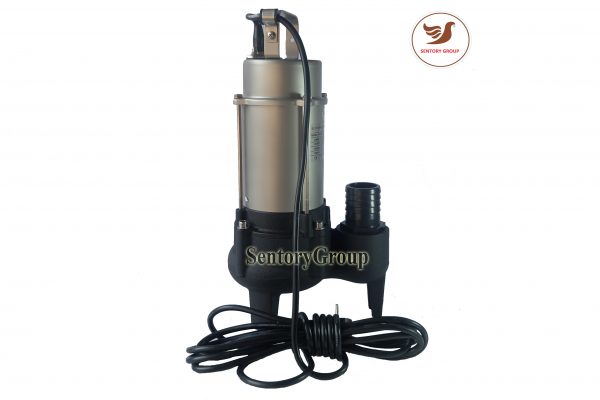
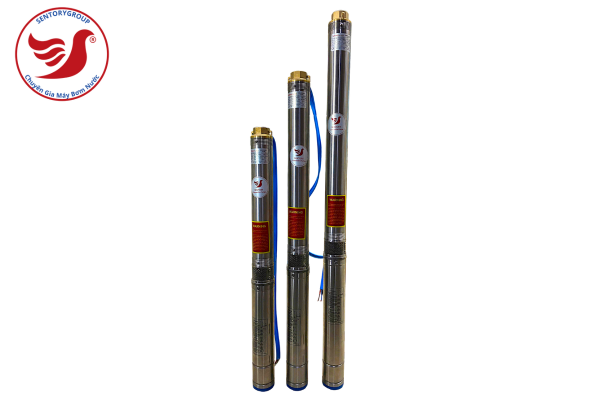
Submersible well pumps
1. Cấu tạo và nguyên lý hoạt động
Máy bơm hỏa tiễn gồm hai bộ phận chính:
-
Động cơ chìm: được làm kín hoàn toàn, hoạt động ổn định trong môi trường nước.
-
Phần bơm (cánh bơm nhiều tầng): tạo áp lực lớn để đẩy nước từ sâu lên mặt đất.
Khi vận hành, động cơ quay làm các cánh bơm hoạt động liên tục, tạo ra cột áp cao giúp nước được đẩy lên nhanh, mạnh và ổn định ngay cả ở độ sâu hàng chục mét.
2. Ưu điểm của máy bơm hỏa tiễn giếng khoan
-
Khả năng hút – đẩy sâu vượt trội: phù hợp với giếng khoan sâu từ vài chục đến hàng trăm mét.
-
Lưu lượng nước lớn, ổn định: đáp ứng tốt nhu cầu tưới tiêu diện rộng hoặc cấp nước liên tục.
-
Hoạt động êm ái: do đặt chìm trong nước nên độ rung và tiếng ồn rất thấp.
-
Tiết kiệm không gian lắp đặt: không chiếm diện tích mặt bằng.
-
Độ bền cao: thân bơm thường làm từ inox hoặc thép không gỉ, chống ăn mòn tốt.
3. Ứng dụng thực tế
Máy bơm hỏa tiễn giếng khoan được sử dụng rộng rãi trong:
-
Cấp nước sinh hoạt cho hộ gia đình, khu dân cư.
-
Tưới tiêu nông nghiệp, vườn cây, trang trại, nhà kính.
-
Cấp nước cho nhà xưởng, công trình xây dựng.
-
Hệ thống cấp nước cho chăn nuôi, nuôi trồng thủy sản.
4. Cách chọn máy bơm hỏa tiễn phù hợp
Khi lựa chọn máy bơm, cần quan tâm đến:
-
Độ sâu giếng khoan: xác định cột áp cần thiết.
-
Lưu lượng nước yêu cầu: phụ thuộc vào mục đích sử dụng (sinh hoạt hay tưới tiêu).
-
Công suất máy: chọn công suất phù hợp để tránh thiếu nước hoặc lãng phí điện.
-
Đường kính giếng: đảm bảo máy bơm vừa với lòng giếng khoan.
-
Chất lượng nguồn điện: chọn máy 1 pha hoặc 3 pha theo điều kiện sử dụng.
5. Lưu ý khi lắp đặt và sử dụng
-
Lắp đặt đúng kỹ thuật, đảm bảo máy luôn ngập trong nước khi vận hành.
-
Trang bị rơ-le nhiệt, CB bảo vệ và nối đất an toàn.
-
Không vận hành máy khi thiếu nước để tránh cháy động cơ.
-
Bảo dưỡng định kỳ để kéo dài tuổi thọ máy.
1. Structure and Operating Principle
A submersible well pump consists of two main parts:
Submersible motor: completely sealed, operating stably in a water environment.
Pump section (multi-stage impeller): creates high pressure to push water from deep to the surface.
During operation, the motor rotates, causing the impellers to operate continuously, creating a high head pressure that helps push water up quickly, strongly, and stably even at depths of tens of meters.
2. Advantages of Submersible Well Pumps
Superior suction and discharge capabilities: suitable for wells from tens to hundreds of meters deep.
Large and stable water flow: effectively meets the needs of large-scale irrigation or continuous water supply.
Quiet operation: due to being submerged in water, vibration and noise are very low.
Space-saving installation: does not occupy floor space.
High durability: the pump body is usually made of stainless steel or corrosion-resistant steel.
3. Practical Applications
Submersible well pumps are widely used in:
Domestic water supply for households and residential areas.
Agricultural irrigation, orchards, farms, and greenhouses.
Water supply for factories and construction sites.
Water supply systems for livestock and aquaculture.
4. How to Choose the Right Submersible Pump
When choosing a pump, consider the following:
Well depth: determine the required head pressure.
Required water flow rate: depends on the intended use (domestic or irrigation).
Pump power: choose the appropriate power to avoid water shortage or wasted electricity.
Well diameter: ensure the pump fits the well.
Power supply quality: choose a single-phase or three-phase pump depending on usage conditions.
5. Notes on Installation and Use
Installation must be done correctly, ensuring the pump is always submerged in water during operation.
Equipped with thermal relay, circuit breaker, and safe grounding.
Do not operate the machine when there is insufficient water to avoid motor burnout.
Perform regular maintenance to extend the machine's lifespan.